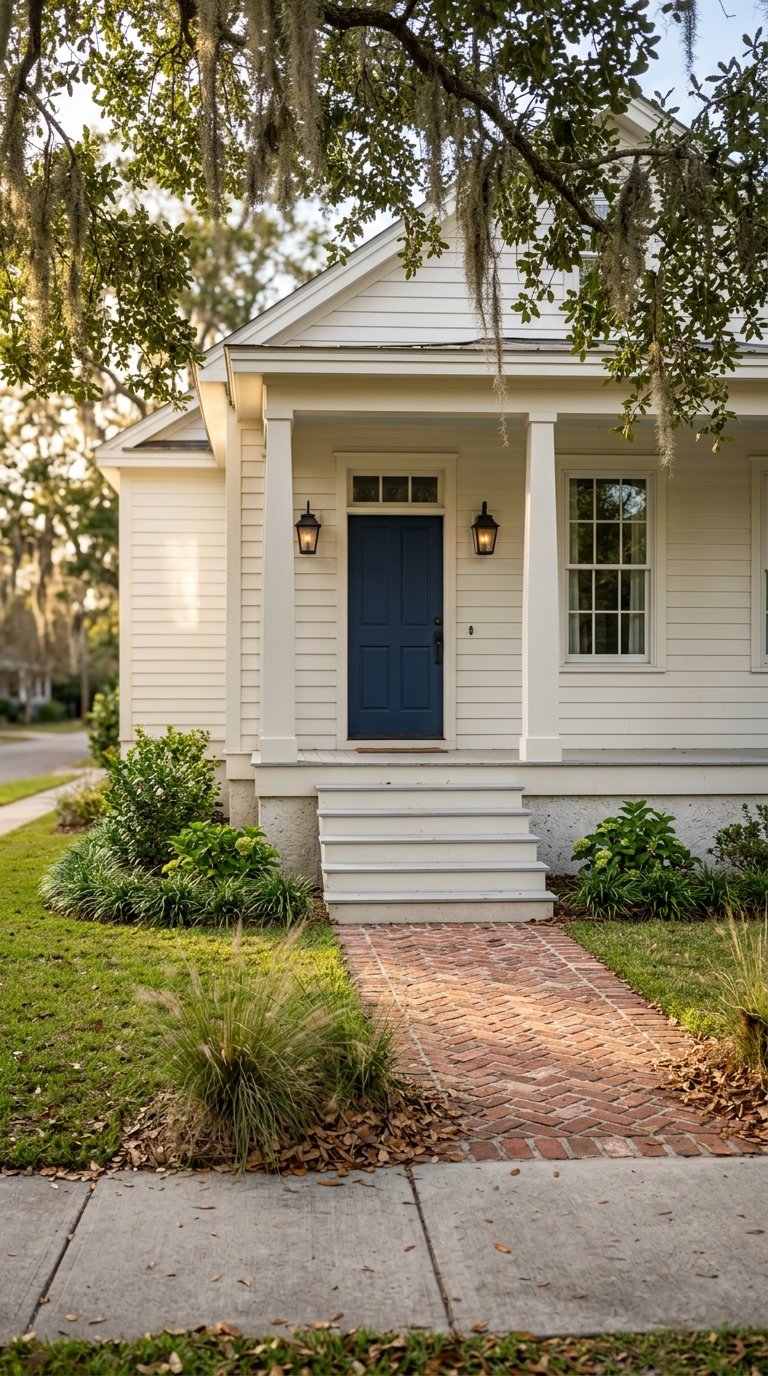
Choosing a Savannah neighborhood can feel exciting and a little overwhelming at the same time. You are not just picking a house. You are choosing how you want to live each day, from your commute and parking setup to your access to parks, historic streets, and everyday errands. If you want a clearer way to narrow your options, this guide will help you compare Savannah neighborhoods by lifestyle, location, and practical fit. Let’s dive in.
Start With Your Daily Routine
Savannah is not one single housing market with one single feel. The city is better understood as a group of lifestyle clusters, and the City of Savannah’s Open Neighborhoods map makes that easy to see by showing neighborhood associations, parks, bikeways, community centers, grocery stores, libraries, CAT bus stops, and schools.
That matters because the right neighborhood usually becomes clear when you focus on your daily routine. Think about how often you want to drive, how important walkability is, whether you want historic character, and how much flexibility you need if you plan to renovate.
Know Savannah’s Main Neighborhood Clusters
Downtown Historic District
If you want classic Savannah charm, downtown is often the first place you will look. According to the city’s Tour Guide Manual, the Landmark Historic District covers 2.2 square miles and includes Federal, Victorian, Regency, and Italianate architecture.
This area is a strong fit if your priorities are historic character, central location, and a highly walkable urban lifestyle. You should also expect more tourism activity and more preservation oversight, which can affect updates, exterior changes, and long-term maintenance decisions.
Victorian, Thomas Square, Cuyler-Brownville, and Eastside
This in-town cluster can offer historic character with a slightly different feel than the Landmark Historic District. City records identify these areas as protected historic districts, and city materials describe Thomas Square as primarily historic residential, commercial, and community buildings, while Eastside includes homes from the late 1890s through the 1920s with features like mature live oaks and smaller Craftsman bungalows.
If you want neighborhood identity and in-town access without needing the same level of downtown density, these areas may belong on your shortlist. They often appeal to buyers who want charm, established streetscapes, and proximity to central Savannah.
Ardsley Park, Chatham Crescent, Daffin Park, and Parkside
If you love older homes but want a little more breathing room, this cluster is worth a close look. The city identifies Ardsley Park-Chatham Crescent and Parkside among Savannah’s historic suburbs, and Daffin Park-Parkside Place developed around a major urban park with early 20th-century homes including Craftsman bungalows, English Vernacular cottages, and Colonial Revival architecture.
One practical difference here is that these neighborhoods were designed more with automobiles in mind. The city notes that nearly every house in Daffin Park-Parkside Place has a driveway, with many historic garages, which can be a meaningful advantage if parking is high on your list.
Midtown and Southside Areas
For many buyers, Midtown and the broader southside offer a more car-oriented lifestyle with easier access to commercial corridors. The city’s neighborhood materials include Midtown, Fairway Oaks, Kensington Park-Groveland, Memorial Hospital/Fairfield, and other nearby areas, while planning documents describe these kinds of places as more suburban-style residential areas that still connect to urban amenities and public transit.
These neighborhoods may fit you well if you want postwar housing, a more driving-friendly layout, or a different price-and-space balance than the historic core. They can also make sense if you want easier access to daily shopping and major roads.
Tybee Island, Pooler, and Richmond Hill
Sometimes the right Savannah-area neighborhood is not in Savannah proper. If your lifestyle centers more on beach access, interstate convenience, or a different commute pattern, nearby communities can be strong options.
Tybee Island is one of the few incorporated and developed barrier islands in Georgia, making it the clearest choice for a beach-oriented lifestyle. Pooler’s comprehensive plan notes direct access to I-95 and convenient proximity to the airport corridor, while Richmond Hill is also part of the Savannah metro area with I-95 running through the city limits.
Compare Neighborhoods the Smart Way
Check Your Commute First
A neighborhood can look perfect on paper and still feel wrong if the commute does not work. If you travel regularly to downtown, the airport, or the I-95 corridor, you should map that route before you fall in love with a home.
Chatham Area Transit links historic downtown with greater Savannah, and current service information includes Route 3 West Chatham to the airport and downtown’s Joe Murray Rivers Jr. Intermodal Transit Center. The free Savannah Belles Ferry also connects Riverwalk and Hutchinson Island, which can be useful depending on where you work or spend time.
Compare Everyday Convenience
Your day-to-day quality of life often comes down to simple things. How close are you to groceries, parks, community centers, bus stops, or library branches? How easy is it to run errands without crossing town?
This is where the Open Neighborhoods map becomes especially useful. It helps you compare real convenience instead of relying on reputation or broad assumptions.
Understand Historic Rules
Historic homes can be incredibly rewarding, but they can also come with added review requirements. Savannah’s zoning resources explain that zoning is used to protect areas of historical, cultural, or architectural significance, including standards tied to visual compatibility, signage, and off-street parking.
If you are planning renovations, additions, or visible exterior changes, this step matters. In many historic districts, you should expect more review than you would in a newer subdivision, so it helps to factor that into your timeline and budget early.
Review Flood Information
In coastal Georgia, flood research is part of smart home shopping. The city’s Flood Protection Information page notes that Chatham County is a flat, low-lying coastal region and points residents to FEMA’s Flood Map Service Center for official flood-hazard information.
If you are considering a waterfront, marsh-adjacent, or low-lying property, checking current flood-zone details and potential insurance implications should be part of your offer strategy. This is one of those practical steps that can save you stress later.
Match Your Lifestyle to the Right Area
Best for Walkability and Historic Character
If you want the most urban, walkable Savannah experience, start with:
- Downtown Historic District
- Victorian District
- Thomas Square
- Cuyler-Brownville
- Eastside
These neighborhoods are often the best fit when your priorities include historic architecture, central access, and a strong sense of place.
Best for Intown Space and Character
If you want established homes and mature streetscapes with a little more room to spread out, consider:
- Ardsley Park
- Chatham Crescent
- Parkside
- Daffin Park
- Midtown
These areas can offer a strong balance of older architecture, tree-lined streets, and practical livability.
Best for Car-Friendly Convenience
If you prefer easier driving patterns, postwar homes, or access to major shopping and commuter routes, look at:
- Fairway Oaks
- Kensington Park-Groveland
- Other southside subdivisions
These neighborhoods can make daily logistics simpler if your lifestyle depends more on the car than on walkability.
Best for Coastal or Commuter Goals
If your priorities are beach access or regional connectivity, your shortlist may include:
- Tybee Island for a beach-oriented setting
- Pooler for airport and interstate access
- Richmond Hill for metro-area access along I-95
For some buyers, these locations are a better fit than the urban core because they line up more closely with work, travel, or second-home goals.
A Simple Way to Narrow Your Search
When you are deciding between Savannah neighborhoods, try ranking each area by these five categories:
- Commute time
- Walkability or driving convenience
- Home style and neighborhood character
- Renovation flexibility
- Flood and insurance considerations
This kind of side-by-side comparison usually brings clarity fast. It also helps you focus on what truly fits your life instead of getting distracted by features that look good online but do not serve your day-to-day needs.
Why Local Guidance Matters
Savannah rewards buyers who pay attention to the details. One street can feel very different from the next, and the right fit often comes down to factors that are hard to understand from a listing alone.
That is why a consultative, neighborhood-specific approach matters. Vaden Realty Group’s public buyer process emphasizes getting clear on your budget, preferences, and priorities before tailoring showings to fit your goals, which is exactly the kind of strategy that helps you choose the right neighborhood with more confidence.
If you are trying to figure out where you belong in Savannah, from the Historic District to Midtown to nearby communities like Tybee Island or Pooler, working with a local team can make the process much more focused. When you are ready to talk through your options, connect with Vaden Realty Group for guidance tailored to your lifestyle, goals, and next move.
FAQs
What is the best Savannah neighborhood for walkability?
- If walkability is your top priority, downtown, the Historic District, Victorian, Thomas Square, Cuyler-Brownville, and Eastside are the strongest places to start.
What Savannah neighborhoods offer historic homes with easier parking?
- Ardsley Park, Chatham Crescent, Daffin Park, and Parkside can be great options if you want older architecture and a little more practical parking setup than downtown.
What Savannah areas are better for drivers and commuters?
- Midtown, Fairway Oaks, Kensington Park-Groveland, and other southside neighborhoods often suit buyers who want a more car-friendly layout and access to commercial corridors.
What should homebuyers check before choosing a Savannah neighborhood?
- You should compare commute patterns, nearby amenities, historic-district rules, and flood-zone information before deciding where to focus your search.
What Savannah-area locations are best for beach access or interstate travel?
- Tybee Island is the clearest beach-lifestyle option, while Pooler and Richmond Hill may be good fits if airport access or I-95 convenience matters most.